

In a world where delivery drones and self-driving cars are no longer just sci-fi fantasies, fleet robotics has taken center stage. Imagine a squad of robots zipping around, managing logistics like a well-oiled machine—minus the grease stains and coffee spills. These tireless tech wonders are revolutionizing how industries operate, making processes faster, safer, and surprisingly more efficient.
Fleet robotics isn’t just about flashy gadgets; it’s about transforming the mundane into the extraordinary. From warehouses to farms, these robotic fleets are tackling tasks that would make even the most seasoned workers raise an eyebrow. So buckle up as we dive into the fascinating realm of fleet robotics, where innovation meets automation, and the future is just a circuit board away.
Overview of Fleet Robotics
Fleet robotics represents a significant development in automation, integrating multiple robots to perform coordinated tasks. These robotic systems operate with precision in various environments, such as manufacturing facilities and agricultural fields. Fleet robotics enhances productivity and maximizes efficiency while minimizing human intervention in repetitive tasks.
Advanced navigation technology allows robots to move through these spaces without collisions, ensuring safety and reliability. The integration of artificial intelligence drives decision-making processes, enabling robots to adapt to changing conditions swiftly. Through real-time data analysis, fleets can optimize performance and resource allocation.
Many industries benefit from fleet robotics. Warehouses utilize automated guided vehicles, reducing labor costs and increasing order accuracy. In agriculture, autonomous tractors and drones optimize planting, watering, and harvesting, resulting in higher yields and reduced waste.
Collaboration among robots within a fleet promotes flexibility. Each unit can communicate with others to share information about tasks and challenges, enhancing operational flow. This cooperation facilitates quicker responses to issues, leading to reduced downtimes.
Research indicates that companies implementing fleet robotics experience substantial gains. For instance, firms report an increase in efficiency by up to 30% after adopting these systems. Continuous advancements in technology broaden the potential applications of fleet robotics, driving further innovation across sectors.
Ultimately, fleet robotics transforms traditional processes. Companies that embrace this technology position themselves at the forefront of industrial advancements, unlocking new opportunities for growth and efficiency.
Benefits of Fleet Robotics
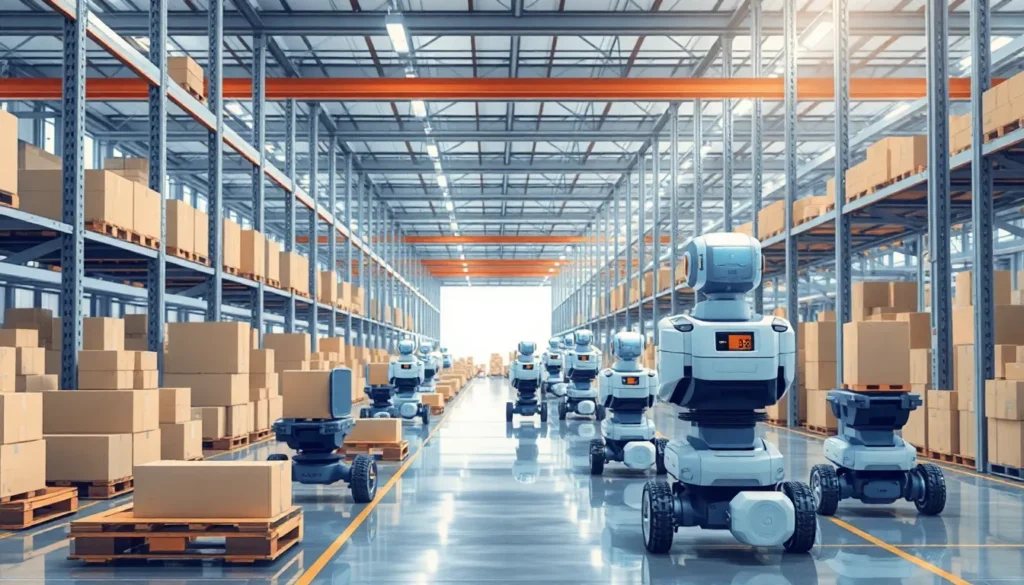
Fleet robotics delivers numerous advantages across various industries. Companies experience significant improvements in logistics and operational efficiency through its implementation.
Increased Efficiency
Increased automation leads to streamlined operations. Fleet robotics enhances task execution by coordinating multiple robots, resulting in faster turnaround times. Real-time data analysis optimizes these processes, providing insights into resource allocation. For example, warehouses using robotic fleets consistently report accuracy improvements and quicker order fulfillment. Factoring in automated guided vehicles, companies can reduce idle times and increase throughput. Efficiency gains, with reported increases of up to 30%, position businesses strategically in competitive markets. These enhancements not only improve productivity but also create a safer working environment by minimizing human error.
Cost Reduction
Cost savings emerge as a major benefit of fleet robotics. Labor expenses significantly decrease when companies automate routine tasks with robots. Utilizing fleets of autonomous machines in agriculture, for instance, reduces the need for large workforces. Operational costs also decline due to improved resource management and less material waste. Tasks previously requiring substantial manpower can now be accomplished more economically, allowing funds to be redirected towards innovation and growth. Additionally, maintenance costs diminish with robotics systems designed for durability and efficiency. Overall, investments in fleet robotics yield long-term financial benefits, solidifying its value in diverse sectors.
Applications of Fleet Robotics
Fleet robotics plays a crucial role in various industries, enhancing efficiency and productivity across multiple applications.
Delivery Services
Delivery services increasingly integrate fleet robotics to streamline last-mile delivery. Robots navigate urban environments, ensuring timely and accurate package distribution. Companies leverage autonomous vehicles and drones for faster deliveries, significantly reducing operational costs. Studies show that some delivery fleets achieve speed improvements of up to 50%. Communication among robots enhances route efficiency, enabling quicker responses to changing conditions. This technology not only challenges traditional delivery methods but also represents the future of logistics.
Manufacturing
In manufacturing, fleet robotics revolutionizes production processes. Autonomous robots work collaboratively on assembly lines, performing repetitive tasks with precision. This coordinated effort leads to increased production rates and enhanced quality control. Real-time monitoring and data analysis allow for seamless adjustments during manufacturing, driving efficiency up by 30% in some facilities. Integrating multiple robots maximizes resource utilization, streamlining workflows to meet rising market demands. Overall, fleet robotics transforms manufacturing into a more agile and responsive operation.
Agriculture
Agriculture benefits immensely from fleet robotics, enhancing efficiency in planting, watering, and harvesting crops. Autonomous tractors and drones automate essential tasks, reducing labor costs and increasing yield. Precision agriculture ensures optimal resource allocation, with studies indicating yield increases of up to 25%. Communication among robotic units allows for flexible responses to environmental changes. These innovations not only improve productivity but also support sustainable farming practices by optimizing inputs and minimizing waste. Fleet robotics emerges as a game-changer for the agricultural sector.
Challenges in Fleet Robotics
Multiple challenges exist in fleet robotics, impacting deployment and operational efficiency. Understanding these obstacles is key to leveraging the technology effectively.
Technical Limitations
Technical limitations present significant barriers in fleet robotics. Autonomous vehicles often struggle with complex environments, particularly in dynamic settings where obstacles appear suddenly. Sensor accuracy can affect navigation and decision-making, leading to potential collisions or miscalculations. Communication between fleet units might lag, resulting in inefficiencies during critical task execution. Data processing demands have surged, and real-time analysis becomes essential for optimal functionality. Companies must also address integration with existing systems, complicating new implementations. When these technical issues persist, productivity stagnates, hindering growth opportunities.
Regulatory Issues
Regulatory issues pose additional challenges for the fleet robotics sector. Compliance with safety standards and local regulations shapes the deployment process significantly. Variations in laws across regions create complexities for companies operating nationally or globally. Licensing for autonomous vehicles may require extensive documentation, slowing down the rollout of innovative solutions. Additionally, liability concerns emerge when accidents occur, often leaving companies unsure about legal ramifications. Engagement with regulators becomes critical, as collaboration can influence favorable policies for advanced technology adoption. Navigating these issues effectively ensures smoother entry into the market and increased acceptance of fleet robotics.
Future of Fleet Robotics
Fleet robotics is on the brink of remarkable advancements, set to redefine operational standards across multiple industries. Innovations and emerging trends shape the trajectory of this technology.
Innovations on the Horizon
Breakthroughs in artificial intelligence will enhance fleet coordination, allowing robots to make more independent decisions. Companies aim to refine navigation systems using advanced sensors, drastically improving navigation in complex environments. Machine learning algorithms will continuously learn from operations, optimizing fleet performance over time. Larger-scale deployments of drones in delivery and agricultural sectors promise efficiency, reaching speeds that potentially reduce operational costs. The emphasis on integration will grow, connecting fleet robotics seamlessly with existing systems to improve overall workflow. Investment in energy-efficient technologies may also rise, contributing toward sustainability goals.
Market Trends
Market demand for fleet robotics is steadily increasing, driven by businesses’ need for greater efficiency. Reports indicate a projected market growth rate of 26% over the next decade. Industry leaders are prioritizing automation to remain competitive against traditional logistics methods. The manufacturing sector will likely see a surge in autonomous systems that enhance productivity, thus expanding capabilities. Adoption in agriculture is set to rise due to an increasing focus on yield maximization and sustainable farming practices. Additionally, advancements in regulatory frameworks are emerging, supporting safer deployment in urban environments. Companies that embrace these trends position themselves as frontrunners in establishing innovative supply chain solutions.
Fleet robotics stands at the forefront of industrial transformation. Its ability to enhance efficiency and streamline operations is reshaping logistics across various sectors. As companies adopt this technology, they not only improve productivity but also gain a competitive edge in a rapidly evolving market.
The challenges that come with fleet robotics are significant but manageable. By addressing technical limitations and regulatory hurdles, organizations can unlock the full potential of robotic fleets.
Looking ahead, the future of fleet robotics is bright. Continuous advancements in AI and navigation technology will drive even greater efficiencies. Companies that invest in this innovative approach will find themselves well-positioned to lead in their industries, paving the way for sustainable growth and enhanced operational excellence.